
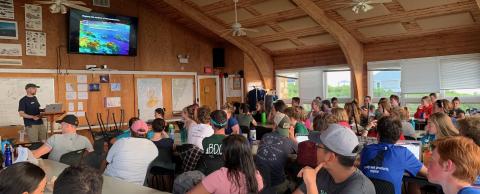
Our Rock Talk Seminar Series is a long-standing and well-loved tradition at SML. Historically, faculty members and guest speakers would gather with students on Appledore Island's rocky shoreline (giving the Rock Talk series its name) to present on a wide range of topics related to natural history, ecology, biology, and more. To stay connected with our community following the pandemic, we transitioned our Rock Talks to a hybrid format and have featured guest speakers from across the world.
Please note: All Rock Talks begin at 8pm on Tuesdays.
Rock Talks for 2026 summer season have concluded. We look forward to sharing more speakers next summer.
Introducing our 2026 Rock Talk Speakers
Conservation Media: Case Studies in Strategic Filmmaking for Birds
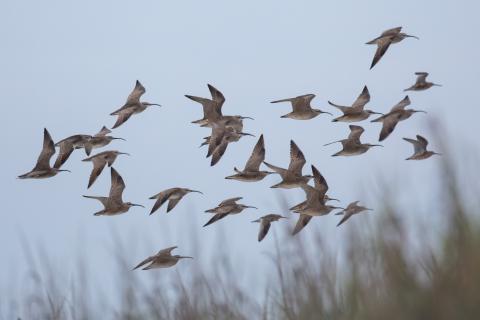
The field of science communications—whether as a topic in the media or as teams within organizations—tends to follow the frontline of research, while an academic (often ecological) mindset leads what we broadly think of as “conservation.” But what value can visual storytelling have on the frontline? We’ll review and screen a collection of brief case studies, exploring how compelling visual storytelling—when strategically positioned for the right audience—can move the needle for conservation outcomes in uniquely powerful ways.
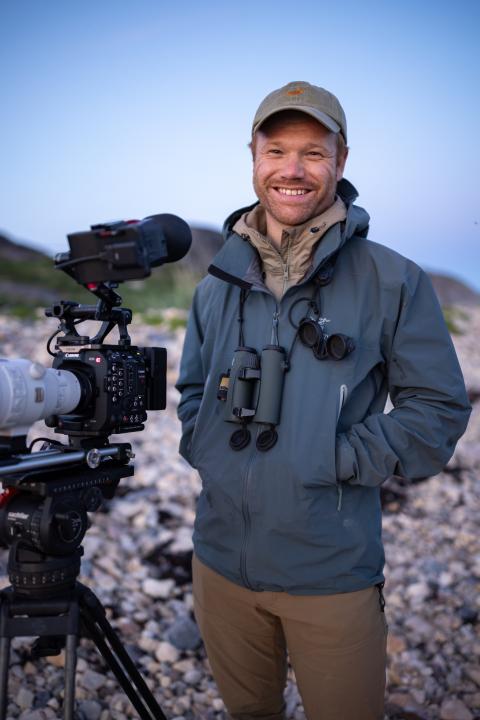
Andy Johnson is a conservation multimedia producer, with a background in ornithology and public policy. After studying Hudsonian Whimbrel migration, he joined the Center for Conservation Media at the Cornell Lab of Ornithology, where he worked for over a decade building partnerships, producing short films, and coordinating campaigns to advance conservation strategies on the ground, across flyways. He currently works as the Senior Video Producer at the National Audubon Society, continuing similar strategic visual storytelling efforts across Audubon’s broad network in the Americas.
The Unseen Niche: Birds & Airspaces Across North America
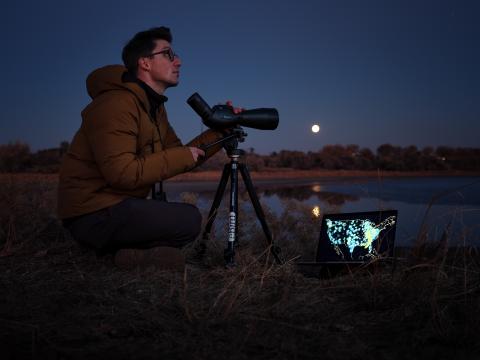
Earth’s lower atmosphere is a vital ecological habitat, home to trillions of organisms that live, forage, and migrate through this space. Despite its importance, it is rarely treated as a primary habitat for ecological study or conservation prioritization, making it one of the least explored environments on the planet. Yet this aerial habitat functions as a global conduit for the movement of biomass, weather, and inorganic materials. Addressing fundamental ecological questions about its spatial and temporal dynamics is key to understanding its role in shaping ecosystems.
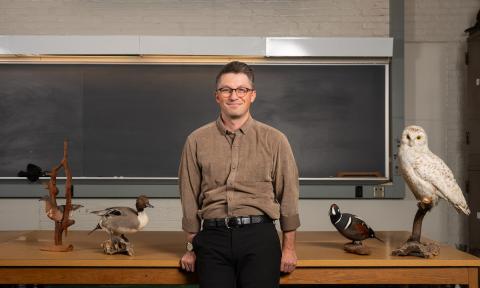
Kyle Horton is an Associate Professor in the Department of Forestry and Natural Resources at Purdue University, where he leads the Purdue Aeroecology Lab. His group studies the movements of airborne organisms and their use of the lower atmosphere as habitat. Dr. Horton earned his M.S. in Wildlife Ecology from the University of Delaware and his Ph.D. in Ecology and Evolutionary Biology from the University of Oklahoma, and he was a Rose Postdoctoral Fellow at the Cornell Lab of Ornithology. His research combines weather surveillance radar and advanced computing to understand bird flights behaviors, forecast bird migration, and guide applied conservation efforts. Dr. Horton has worked to advances in aeroecology, highlighting new insights into bird migration, the development of ecological forecasting tools, and emerging conservation challenges such as light pollution.
Using an Incremental Approach for "Wicked Problems" in Marine Resource Management
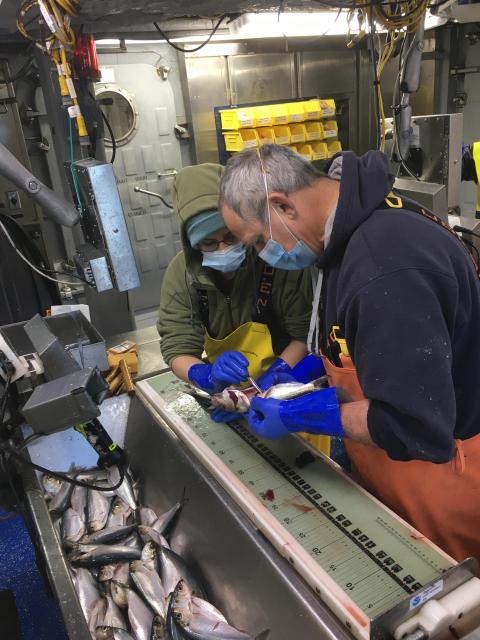
After 20 years as a research scientist, I made a career change to a scientific administrator in NOAA Fisheries. Part of the NOAA Fisheries mission is to provide scientific advice using ecosystem based approaches to management. Where I used to see NOAA Fisheries science as relatively straightforward and transactional, I now recognize that fisheries and marine conservation are part of a complex socio-ecological system that spans natural and social sciences. With this recognition has come an appreciation for the concept of wicked problems and for the incremental approach to policymaking. Here I describe my perspectives before and after this recognition and present 10 lessons for myself as a guide to providing science in support of marine resource management.
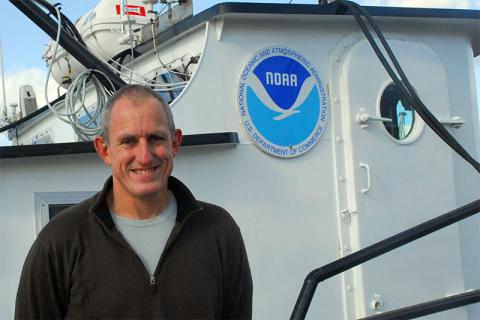
Jon Hare is the Science and Research Director of the Northeast Fisheries Science Center. He oversees science related to NOAA Fisheries mission in the Northeast region including marine fisheries, protected species, aquaculture, habitat, and ecosystem science. Jon earned a BA in Biology from Wesleyan University and a PhD in Oceanography from SUNY Stony Brook. He received a National Research Council Research Associate in 1994 to work at the NOAA Beaufort Laboratory and was hired by NOAA in 1997. Jon moved to the NOAA Narragansett Laboratory in 2005, was appointed Oceanography Branch Chief in 2008 and Lab Director in 2012. He started as NEFSC Director in 2016 and is now located at the NOAA Woods Hole Laboratory. His research has focused on fisheries oceanography: understanding the interactions between the ocean environment and fisheries populations with an aim of contributing to assessments and management. Jon also examines the effect of climate change on fish and invertebrate population dynamics. This work involves coupling the output of global climate models with population models to simulate the effects of climate change on population dynamics. He also works to move the new scientific information into the assessment and management process and the development of new technologies for observing ocean ecosystems.
Following the Food: Variation in Trophic Resources Drives Aquatic Animal Movements

Dr. Nathan Furey is an Associate Professor in the Department of Biological Sciences of the University of New Hampshire (UNH) and leads the Fish and Movement Ecology Lab. His lab’s research attempts to quantify the motivations and consequences of animal movements across aquatic taxa and freshwater, estuarine, and marine ecosystems. Many movements are in response to foraging and avoiding predation, and thus the Fish and Movement Ecology Lab also conducts investigations in predator-prey interactions, diet, and bioenergetics. This seminar will explore multiple model systems where predator movements are uniquely influenced by prey availability, with potential consequences to fitness. These systems span salmon-bearing systems in British Columbia to the Canadian high Arctic to the Gulf of Maine. Dr. Furey was UNH’s Outstanding Assistant Professor of 2024, and is the inaugural recipient of the Robert Summers Professorship of Biology at UNH.
Slingshots, Pogo-sticks, and Shock Absorbers: How Biological Springs Drive Animal Movement
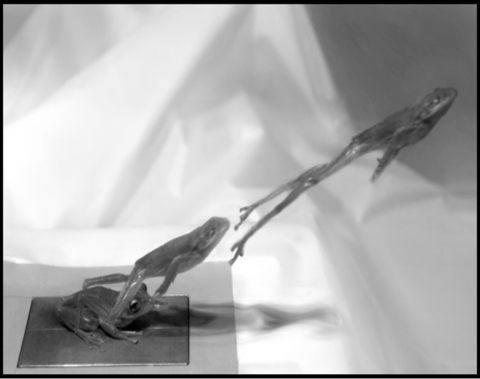
Animals move in so many different ways, each of which presents its own mechanical challenges. The muscles that drive movement are remarkably powerful, efficient, and precise, but they have their limitations. We have found that these limitations are often overcome by an effective “cooperation” between muscles and tissues that operate like springs, such as tendons. Studies in an assortment of animal models, from frogs to turkeys, provide examples of nature’s spring-powered mechanisms.

Tom Roberts is a biomechanist who studies the link between muscle performance and locomotor performance. A professor in the Ecology, Evolution and Organismal Biology Department at Brown University, Roberts uses a comparative approach to understand how the evolution of vertebrate movement has been shaped by the conservative mechanical behavior of skeletal muscles. Roberts received his PhD in the Organismal and Evolutionary Biology Department at Harvard University and did postdoctoral work at Northeastern University.
Combining Student Experiential Learning with Research and Conservation of Tropical Nonmigratory Baleen Whales
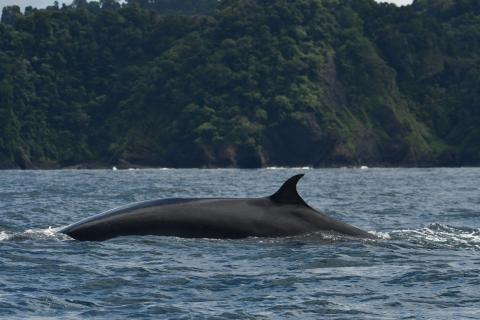
This talk will introduce attendees to an understudied and enigmatic group of tropical baleen whales and discuss the joys and challenges of combining research and student experiential learning in the interdisciplinary field of Conservation Biology. It will include phylogenomics, taxonomy, and field ecology with brief diversions into life at the nexus of natural resource policy and small liberal arts college.
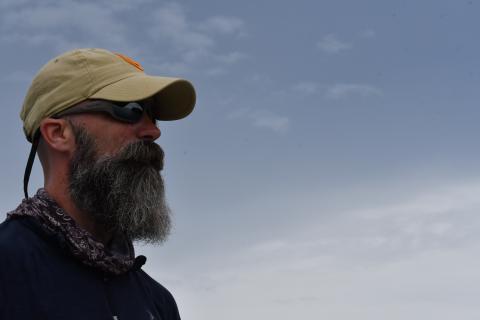
Dr. Matthew S. Leslie Ph.D. is an Assistant Professor in the Biology Department at Ursinus College. Leslie’s scientific research includes conservation-driven studies of mammals. Specifically, Matt employs a unique combination of fieldwork, genomics, and natural history specimen-based inquiry to uncover natural patterns and processes of evolution, ecology, and population biology. The goal of his work is to provide information for targeted actions that conserve and recover wildlife. He has served as a Science and Technology Policy Fellow with the National Climate Adaptation Science Center within the U.S. Geological Survey, and a Visiting Professor of Conservation Biology at Swarthmore College. Before that, he was a Secretary’s Distinguished Postdoctoral Research Fellow the Smithsonian Institution’s National Museum of Natural History and National Zoological Park. He received M.S. and Ph.D. degrees from Scripps Institution of Oceanography in affiliation with NOAA’s Southwest Fisheries Science Center. Prior to graduate school, Matt managed the Sackler Institute for Comparative Genomics at the American Museum of Natural History in New York City and managed the Conservation Genetics program for the Wildlife Conservation Society. He received a B.S. degree in Zoology from Oklahoma State University. Leslie has conducted field expeditions in Madagascar, Cambodia, the Western Hawaiian Islands, Chilean Patagonia, the Bahamas, the Gulf of Mexico, Oman, Australia, Panama, and South Georgia Island. Matt has also served as an invited participant to the Scientific Committee of the International Whaling Commission. He has received research funding from the Sussman Foundation, UC-Mexus, the American Museum of Natural History, National Science Foundation, National Museum of Natural History, Smithsonian Institution, NOAA Southwest Fisheries Science Center, and the U.S. Marine Mammal Commission, among others. Leslie will be spending the Spring of 2027 in Panama as a Fulbright U.S. Scholar for Science, Technology, and Education.
How Alaska’s Fisheries, Science, and Management are Keeping Pace with Changing Conditions
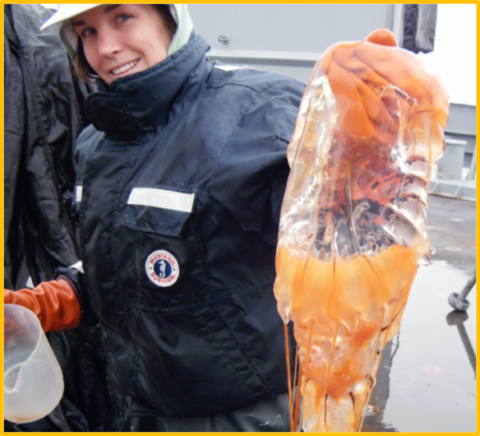
In this Rock Talk, Elizabeth will explore how Alaska utilizes Ecosystem-Based Fisheries Management to consider changing environmental and socioeconomic conditions when managing federal fisheries. We will look at this through three case studies: the impact of a marine heatwave on Pacific cod in the Gulf of Alaska, the role of seasonal sea ice on snow crab in the Bering Sea, and the multidisciplinary challenge for Western Alaska salmon stocks. Finally, we will look ahead at how a potential Super El Niño could impact Alaska's large marine ecosystems, fisheries, science, and management.
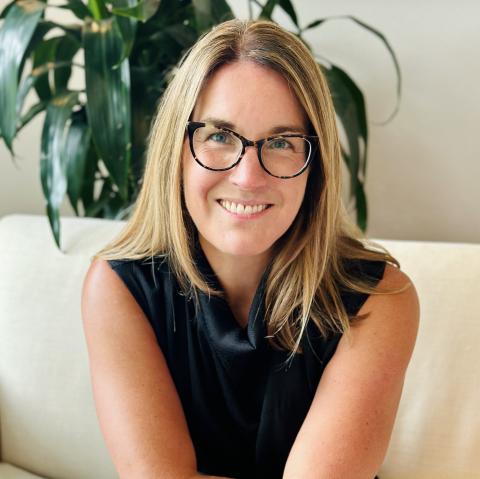
Elizabeth (Ebett) Siddon is a Research Fisheries Biologist at the NOAA Fisheries Alaska Fisheries Science Center in Juneau, Alaska. Ebett's work is focused in the Eastern Bering Sea at the intersection of science and management, providing real-time information on ecosystem status and potential impacts to Alaska’s fisheries. In Juneau, Ebett loves running, playing hockey, and traveling to warmer places in the winter.
Seabird Sentinels: Making Use of Marine "Canaries in the Coal Mine"
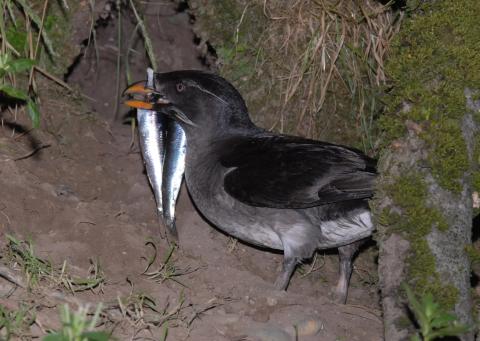
Seabirds are often described as sentinels of marine ecosystem health. As a highly visible top predator, they can reflect in ocean productivity and lower trophic levels as well as large-scale environmental impacts, such as pollution, fish stock collapse, and warming oceans. They are relatively easy to monitor, as they gather in large numbers at predictable locations both at sea and on land, the latter when they congregate at colonies during breeding. Techniques have been developed to estimate their populations and track their diet, productivity, physiology, and behavior, and long-term seabird monitoring potentially reflects ongoing changes in the marine environment. In this talk, I will present stories from monitoring rhinoceros auklets in the U.S. Pacific Northwest that compare and contrast colonies in terms of prey communities, exposure to anthropogenic contaminants, and resilience in the face of an unprecedented marine heat wave.
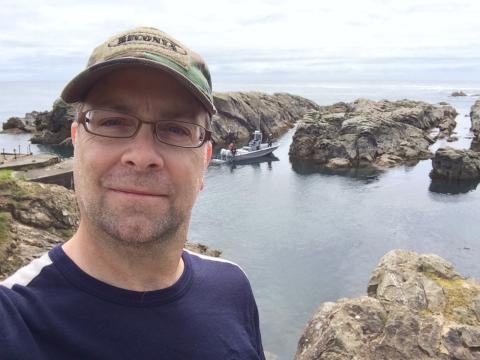
Dr. Thomas Good is a Research Fishery Biologist for NOAA Fisheries at the Northwest Fisheries Science Center in Seattle, WA. He has more than 35 years’ experience studying marine birds. He received his M.S. in Zoology from the University of New Hampshire, where he studied foraging and diet of Herring and Great Black-backed Gulls in New England rocky intertidal habitats, and his Ph.D. in Systematics and Ecology from the University of Kansas, where he studied hybridization between Western and Glaucous-winged Gulls on the Washington coast. His connections to the Shoals Marine Lab date back to the last century; in the early 1990s, Tom was a visiting researcher studying neighbor aggression and chick productivity in Appledore Island gulls, and in the late 1990s, he co-taught Field Ornithology with Sara Morris, where he infused the course with more marine bird topics. Born and raised in Maine, his love of intertidal critters and gulls began during summers spent “Downeast.”
Tom’s present work focuses largely on the California Current Large Marine Ecosystem, where he studies the intersection of seabirds and West Coast fisheries, including how avian predators impact threatened and endangered Pacific salmon and how to quantify and minimize seabird bycatch in U.S. West Coast groundfish fisheries. He also monitors and promotes seabirds as indicators of the marine environment in his capacity as seabird lead for NOAA’s California Current Integrated Ecosystem Assessment and their annual California Current Ecosystem Status Report.
Impacts of Nutrient Availability and Herbivore Presence on Macroalgal Defensive Traits
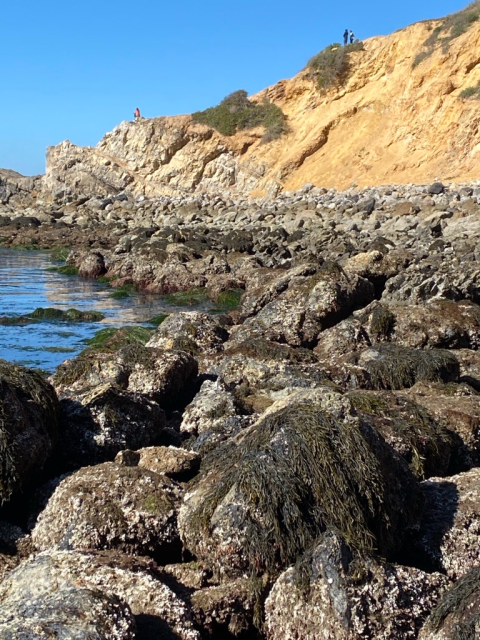
Brown macroalgae often form complex aggregations on rocky substrates along temperate rocky shores and, more recently, on coral reefs undergoing shifts from coral to macroalgal dominance. The persistence of these algae and the aggregations they form is influenced by many human-caused impacts, including nutrient pollution and overfishing. Brown macroalgae are also known to possess physical and chemical defenses against herbivores, and these defenses are often variable in response to environmental factors. This talk explores how nutrient availability and herbivore density interact to influence anti-herbivory defenses in two brown macroalgae—Turbinaria ornata in the South Pacific and Silvetia compressa in California.
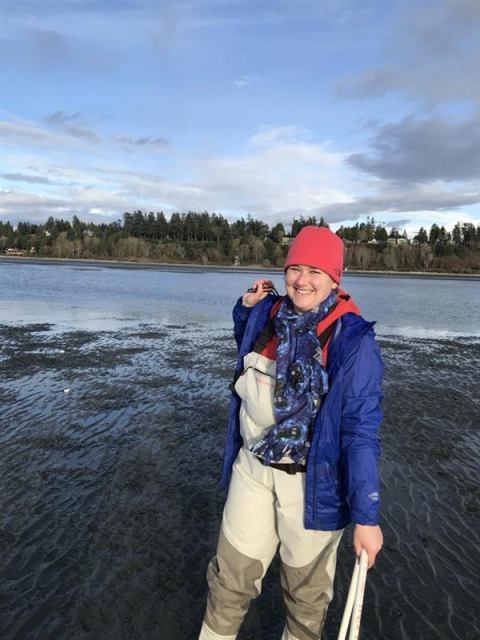
Sarah Joy Bittick is an Associate Professor in the Biology Department at Loyola Marymount University (LMU) in Los Angeles, where she leads the Coastal Ecology and Conservation Lab. Her research focuses on human impacts in nearshore marine ecosystems, including seagrass meadows and rocky intertidal habitats. At LMU, Sarah Joy teaches general biology laboratory courses, marine biology, coastal ecology, and marine conservation.
Prior to joining LMU, Sarah Joy completed her PhD at UCLA in 2017, where her dissertation examined the interactive impacts of nutrient enrichment and overfishing in coral reef and seagrass ecosystems. From 2017–2019, she held a Liber Ero Postdoctoral Fellowship at the University of British Columbia in Mary O’Connor’s lab. Her research at UBC focused on informing local seagrass management through studies of nutrient input and invertebrate community structure. At LMU, Sarah Joy continues to investigate these topics alongside a large and enthusiastic group of undergraduate researchers.
What's Happening on the Rocky Shores Around Shoals Marine Lab? Stories From Over 40 Years of SML Intertidal Surveys
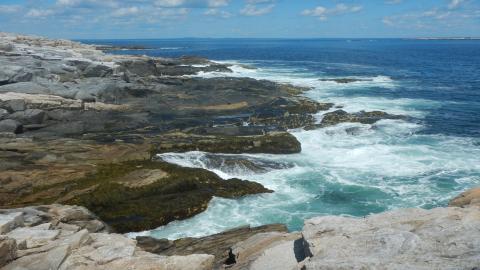
Students at Shoals Marine Lab have annually recorded the diversity and abundance of organisms on the rocky shores of Appledore Island since 1972. In 2018, the data set was published, making it the longest and most robust publicly available record of intertidal biodiversity in the Gulf of Maine. Such records allow us to ask fundamental ecological questions and to understand how marine communities have and will respond to climate change. The latter is especially critical given that the Gulf of Maine is one of the fastest-warming ocean regions in the world. This presentation will highlight the history of the SML Transect Study and the insights we can gain from it at species, community, and ecosystem scales.
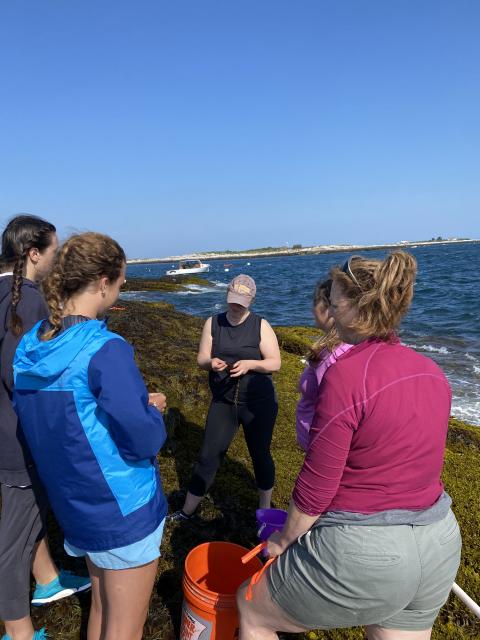
Kylla Benes started her Shoals Marine Lab journey as a Scientist in Residence Fellow in 2017. Since then she has taught Marine Environmental Science in 2018 and has served as a co-mentor for the Intertidal Ecology SURG interns since 2017. Off island, she is director of External Scholarships and Fellowships at the University of Montana. In both roles, she is inspired by the curiosity and drive her students have for making this world a better place and feels lucky to be in roles that help students reach their full potential. Kylla earned a PhD in Ecology and Evolutionary Biology from UC Irvine and MS and BS in Biology from CSU Northridge. Outside of work, she loves spending time outdoors, gardening, baking, and with her family.
The Effects of Forest Management Practices Across Spatial Scales on Tick Densities, Wildlife Communities, and Tick-borne Pathogen Transmission
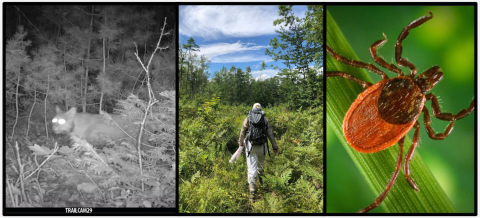
Hard-bodied ticks (Acari: Ixodidae) are infectious disease vectors, and their density and infection prevalence influence the spread of tick-borne pathogens that infect humans and wildlife. In forest ecosystems, tick lifecycle completion depends upon host availability (i.e., vertebrates ticks parasitize), and optimal off-host microclimate conditions. Forest management occurs across spatial scales (e.g., property, landscape), and whether it is the removal of trees from a property via timber harvesting or landscape fragmentation through land use change, this range of management affects tick and host habitat differently, with the potential to disrupt tick lifecycle stages. This research examined, through a combination of observational field studies, laboratory pathogen detection assays, and a meta-analysis, how forest management across spatial scales initiates ecological cascades that impact wildlife and microhabitat with consequences for tick populations. Meta-analysis results showed reduced tick density but unaltered infection prevalence following prescribed burning and invasive vegetation removal; two types of local forest management practices. Too few studies existed to conduct a meta-analysis on the response of tick populations to timber harvesting. To address this knowledge gap, we examined forest structure on southern Maine properties with histories of timber harvesting, finding the number of trees per acre positively correlated to tick densities and key small mammal hosts’ population sizes and foraging behavior. Increased trees per acre correlated with stabilized microclimate temperature, reduced understory vegetation, and greater leaf litter depth, and these latter two variables best predicted increased tick densities in a random forest model. The relationship between timber harvesting and small mammal foraging behavior was a novel discovery and motivated further investigation of foraging at larger spatial scales. At the landscape scale, we hypothesized certain forest fragmentation metrics may reduce predator (e.g., coyote, fox) activity allowing for increased prey (i.e., small mammals) foraging, resulting in higher tick-host encounter rates and, consequently, higher tick densities. Forest patch isolation negatively correlated with the density of infected ticks, while patch edge density showed the opposite relationship. This work was the first to empirically document negative correlations between predator activity and prey foraging behavior, and, in turn, positive correlations between prey foraging behavior and the density of infected ticks. Overall, these studies show how local and landscape scale land use change transforms surrounding habitat with consequences for tick densities. This research contributes to the greater understanding of tick ecology in changing forests, with implications for forest and wildlife management.
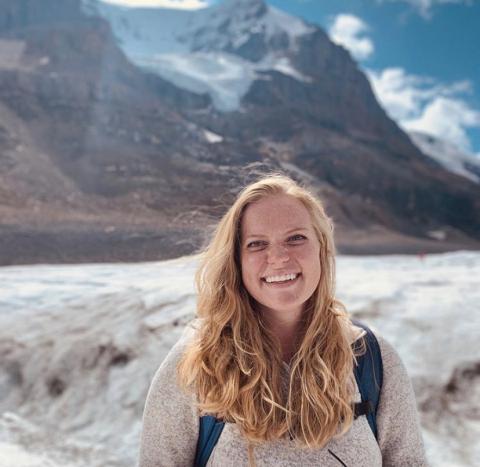
Stephanie Hurd is a postdoctoral researcher in Dr. Albert Kao’s lab at the University of Massachusetts Boston (UMB) studying predator-prey dynamics between brown bears and salmon in Alaska, the collective behavior of these migrating salmon, and how predation, environmental conditions, and social learning influence individual and group decisions. Previously, she was also a postdoctoral researcher in the VirusPlus+ lab run by Dr. Nichola Hill at UMB. Her research investigated connections between climate change and anthropogenic drivers, gull colonies, and avian influenza transmission in Alaska.
Stephanie received her PhD in Ecology and Environmental Sciences in 2024 from the University of Maine, Orono working in Dr. Allie Gardner's lab, where she studied the cascading effects of forest management practices on wildlife communities and tick-borne pathogen transmission. She graduated with a B.S. in Biology from Quinnipiac University in 2016. Before graduate school, Stephanie worked on various research projects in the Northwestern Hawaiian Islands, Minnesota, and Utah.
Overall, Stephanie has a strong interest in community ecology, predator-prey dynamics, trophic cascades, wildlife conservation, and disease ecology. She is fascinated by the cascading effects management practices have on ecological systems.
Keeping Coastal Communities Alive: From Fisheries to Aquaculture in New Hampshire

For generations, the communities of New Hampshire's coast have depended on the Gulf of Maine for food, livelihoods, and the ocean has become part of our cultural identity. While changing ocean conditions and fluctuating fisheries have created new challenges, the region's working waterfronts remain vital to coastal life. Today, aquaculture is emerging as an important tool for supporting healthy oceans, strengthening local food systems, and creating new economic opportunities for coastal communities.
This talk will explore the evolution of New Hampshire's maritime heritage and highlight how innovative aquaculture practices are helping shape its future. Topics will include integrated multi-trophic aquaculture along the coast, offshore scallop culture in the deep, and oyster farming in the bay. Learn how these approaches are supporting sustainable seafood production, environmental stewardship, and community resilience throughout the Gulf of Maine and beyond, and discover opportunities to become involved in this growing sector.

Mike Coogan is a marine scientist and research professor at the University of New Hampshire whose work focuses on developing community-based aquaculture that supports fishing communities, strengthens working waterfronts, and promotes healthy marine ecosystems. His research spans integrated multi-trophic aquaculture (IMTA), offshore scallop farming, habitat restoration, environmental monitoring, and innovative approaches to sustainable seafood production. Through partnerships with fishermen, coastal communities, industry, and regulators, he works to advance practical, science-based solutions that benefit both people and the ocean. Whether he's conducting research, diving, fishing, surfing or sailing, you can usually find Mike on the water.
Salmon Farming/Ranching in the North Atlantic: a Discussion
A brief overview of fish farming on a global scale followed by why Atlantic salmon are farmed, what types of Atlantic salmon aquaculture are employed throughout the countries of the North Atlantic, the major problems of open-pen salmon farms and how they are being addressed, alternatives to open-pen farming, and the complexity of determining seafood sustainability.
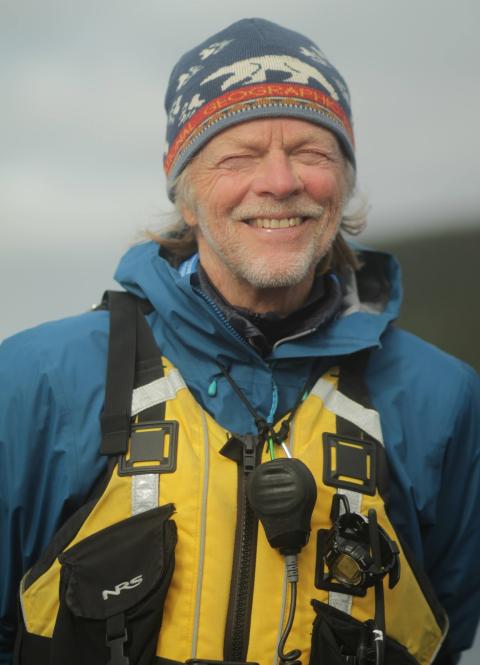
Shortly after receiving his PhD from the University of Southern California, Jim Coyer came to the Shoals Marine Lab in summer 1982 as faculty for the 2-wk Underwater Research course. He taught the course every summer until 2018 while also teaching at a private 2-yr college in Los Angeles (5 yrs) then switching to a research-based path leading to positions at SUNY-Stony Brook (3 yrs), the Hopkins Marine Station (8 yrs), and the University of Groningen in the Netherlands (14 yrs). He returned to the US in 2012 and assumed a Programs Coordinator position for SML from 2012 to 2018. After working for a year at a local deli during COVID, he has been a contract Naturalist and diver for National Geographic/Lindblad Expeditions for the past seven years on voyages to Svalbard, Orkney, Shetlands, Faroes, Iceland, Greenland, Southeast Alaska, the Pacific Northwest, the Channel Islands (CA), Magdalena Bay (Baja California), and Antarctica. But he is unlikely to ever leave SML.
Past Seminar Recordings
The Aleutian Island Golden King Crab fishery: a case study in large-scale cooperative research- Chris Siddon (2024)
All That Live Must Die: Exploring Microbial Mortality in the Ocean - Dr. Liz Harvey (2020)
Astrangia Things: Unraveling temperate coral symbiosis using isotope ecology- Taylor Lindsay (2025)
Bats Across Borders: A Scientific Journey Through Island Bat Fieldwork- Danielle Fibikar (2025)
Behemoths and Baleen: Revealing the Hidden Lives of Whales- Nadine Lysiak (2025)
Beyond the noise: Studying colonial animals through sound- Valerie Eddington (2025)
Bringing the Internet of Things to the Underwater World- Fadel Adib- 2023
Calling Whales and Chorusing Fishes as Sentinels of Human Influence on Marine Ecosystems - Dr. Aaron Rice (2020)
Community-Based Collaborative Fisheries Research: Fishermen and Scientists Working Together - Owen Nichols (2020)
Community-scale Steelhead Trout Operations in New Hampshire: Sustainability from Hatchery to Harvest- David Fredriksson (2025)
Cooperative Research: Engaging Fishermen to Advance Science and Sustainability - Dr. Anna Mercer (2021)
Evolutionary physiology of amphibious fishes- Andy Turko- 2023
Exploring our Oceans Through Sound- Jennifer Miksis-Olds (2024)
From Snail Breathing to Coastal Resilience: An Early Career Quest- Rebecca Atkins (2024)
The Global Impact of Fisheries and Global Warming on Marine Ecosystems - Dr. Daniel Pauly (2020)
If Life Gives You Green Crabs - Make Dinner and a Cocktail!- Gabriela Bradt- 2023
Investigating angry ants and grumpy gulls: A decade of inspiring undergraduate research in the Isles of Shoals- David Bonter (2024)
Islands, Archipelagoes, and Atolls: Discovering Ecology & Evolution- Will Kimler (2025)
Microscopic beasts and how to find them: molecular surveys reveal hidden marine biodiversity from the microcosmos- Brad Weiler (2025)
New Techniques for Studying Old Questions about Calcification in Corals - Dr. Loretta Roberson (2021)
NOAA Science &Technology: Accelerating Innovation in the 21st Century - Rear Admiral Timothy Gallaudet (2020)
On the importance of animal variation- Nick Gidmark (2025)
Out of our Depth: Interdisciplinary Science for Marine Mammal Conservation- Kristina Cammem- 2023
The origin and evolution of cnidarian stinging cells- Leslie Babonis- 2023
Physiological Responses to Environmental Change: Insights from Polluted Lives of Killifish - Dr. Jayasundara (2020)
Red Herrings, Misleading Results and Redefining a Disease: Sea Star Wasting in a Changing Ocean - Dr. Ian Hewson (2020)
Rockweed: Foundation Species, Harvestable Resource - Hannah Webber (2020)
Sea lions remember prey hot spots to maximize hunting efficiency- Mike Sigler (2024)
Sensing the Ocean with Acoustics- Anthony Lyons (2025)
Skin, Scales, Fangs, and Waveforms: Multidisciplinary Approaches to Studying Fish Biomechanics - Dr. Chris Kenaley (2021)
Small birds, big movements: Exploring the migratory and foraging movements of Gulf of Maine Common Terns (Sterna hirundo)- Aliya Caldwell (2025)
Social Evolution in Anemonefishes- Peter Buston- 2023
Tending the Tides: Workforce Development in Aquaculture- Trixie Betz (2025)
Trophic Relationships in the Benthos: Feeding Morphology and Ecology of Macroinvertebrates – Dr. Maya DeVries (2020)
Under Pressure: Sharks and the Science of Stress- Heather Marshall (2024)
Using Science Communication in the Search for Lost Sharks – Vicky Vásquez (2021)
Weird and wonderful hagfishes- Doug Fudge (2024)
Assessing the resilience and recovery of important recreational fish species to extreme events in Coastal Texas- Ana Silverio- 2023
Arctic Seabirds as Sentinels of Climate Change & Anthropogenic Stressors in Marine Ecosystems - Dr. Emily Choy (2021)
A bird’s eye view of a changing Gulf of Maine: Insights from the Isles of Shoals Seabird Ecology and Conservation Program- Elizabeth Craig (2024)
Climate Change and Alaska Marine Ecosystems - Dr. Mike Sigler (2020)
Climate Change, Adaptation, and Resilience in Northeast U. S. Fishing Communities - Dr. Kathy Mills (2021)
Crustaceans as Sentinels of Change in the Gulf of Maine- Jason Goldstein (2025)
Exploring Global Change in the Ocean - Dr. Brian Cheng (2020)
From sea minks to great auks: shifting ecological baselines in the Gulf of Maine- Alexis Mychajliw- 2023
The Impacts of Warming Due to Climate Change in the Gulf of Maine Ecosystems - Michelle Staudinger (2020)
The Rolling Stones: Rock Band or Grains on a Beach?- Diane Foster (2024)
Sea Rescue: Marine Species Partnerships Restoring Our Coastal Ecosystems - Dr. Brian Silliman (2020)
Understanding Changes in Kelp Forests Around the World and Around Appledore - Dr. Jarrett Byrnes (2020)
6000 Years of Shoals History Through Archaeology and Mapping - Dr. Robin Hadlock Seeley & Dr. Nathan Hamilton (2020)
Aristotle Onassis Meets the Seacoast of New Hampshire- Dudley Dudley (2024)
Childe Hassam & Celia Thaxter on the Isles of Shoals - John Coffey (2020)
Childe Hassam and Diagnostic Rocks of Appledore - Dr. Hal Weeks (2020)
Here we are: history, biology, and interconnections on Appledore Island- Jessica Bolker (2024)
How viruses rule the planet: the spread of bird flu in seabirds, seals, and humans- Nichola Hill- 2023
Indigenous Sentinels Network: Tribally-Led Environmental Monitoring in the Pribilof Islands, AK - Dr. Lauren Divine (2021)
The Physical Internet Surfs Under the Waves: SubCom Submarine Fiberoptic Networks- Albert Carpinteyro (2025)
Rachel Carson and the Gulf of Maine, With Comments on Woods Hole, MA - Dr. Willy Bemis (2020)